bonuses be removed in a new agreement
Bonuses can make up a major portion of compensation for many employees, especially in sales, finance, technology, and management roles. When a company introduces a new contract or renews an existing one, employees often worry about whether their bonus entitlement will remain the same. This raises an important question: can bonuses be removed in a new agreement? In many cases, the answer depends on the structure of the bonus, the employee’s past contract, and the wording of the updated terms. Employers might revise bonus policies for business reasons such as cutting costs, restructuring compensation, or shifting performance criteria. The key factor is whether the changes are clearly stated in the new Employment Agreement and whether the employee has agreed to them.
A bonus can generally be removed or modified when it is discretionary rather than guaranteed. Discretionary bonuses typically depend on company decisions rather than automatic entitlement. If past bonuses were voluntarily awarded by the employer without being written into the contract, then the employer might legally remove them by changing the new Employment Agreement. In this case, the employee does not have a guaranteed legal claim to future bonuses because the payments were not contractually promised. However, removing a long history of bonuses without consultation may damage employee morale and risk higher turnover.
Guaranteed bonuses are treated differently. If the previous contract promised bonuses under specific conditions — such as hitting performance targets or remaining employed for a certain period — removing the bonus in a new Employment Agreement may not be automatically enforceable. A significant reduction in compensation could be viewed as a material change to working conditions, and employees may have the right to refuse the new terms. If a company forces such changes without negotiation, it may expose itself to legal claims depending on the jurisdiction, including constructive dismissal or breach of contract arguments.
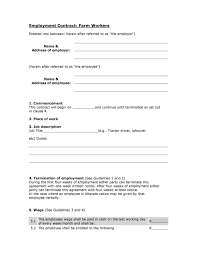
Can bonuses be removed in a new agreement?
Another important consideration is timing. If the bonus has already been earned under the terms of the prior agreement, it cannot be retroactively cancelled simply because a new Employment contract termination clause legality is introduced. For example, if an employee has already met performance targets for the period and the bonus is payable, a new agreement cannot remove the entitlement for that completed work. Disputes often occur when employers attempt to change bonus rules mid-cycle without clarifying how the transition affects existing accruals.
Employees faced with a new Employment Agreement that reduces or removes bonuses should evaluate the changes carefully before signing. Once the new contract is accepted, the employee is bound by the updated terms, even if they are less favourable than before. It is reasonable to discuss the compensation structure with the employer and request clarification or negotiation before agreeing to the new contract. If the bonus is an essential part of the employee’s income, it is important to communicate that and ensure protection is written into the agreement rather than relying on informal promises.
In summary, bonuses can be removed in a new agreement, but the legality depends on whether the bonus was discretionary or contractually guaranteed and whether the employee consents to the updated terms. The new Employment Agreement controls future entitlement, but previously earned bonuses cannot be taken away retroactively. Clear communication and careful review of the new contract can prevent surprises and ensure that employees make informed decisions about their compensation and long-term financial expectations.